How to Plan Your First Cosplay: Beginner Guide
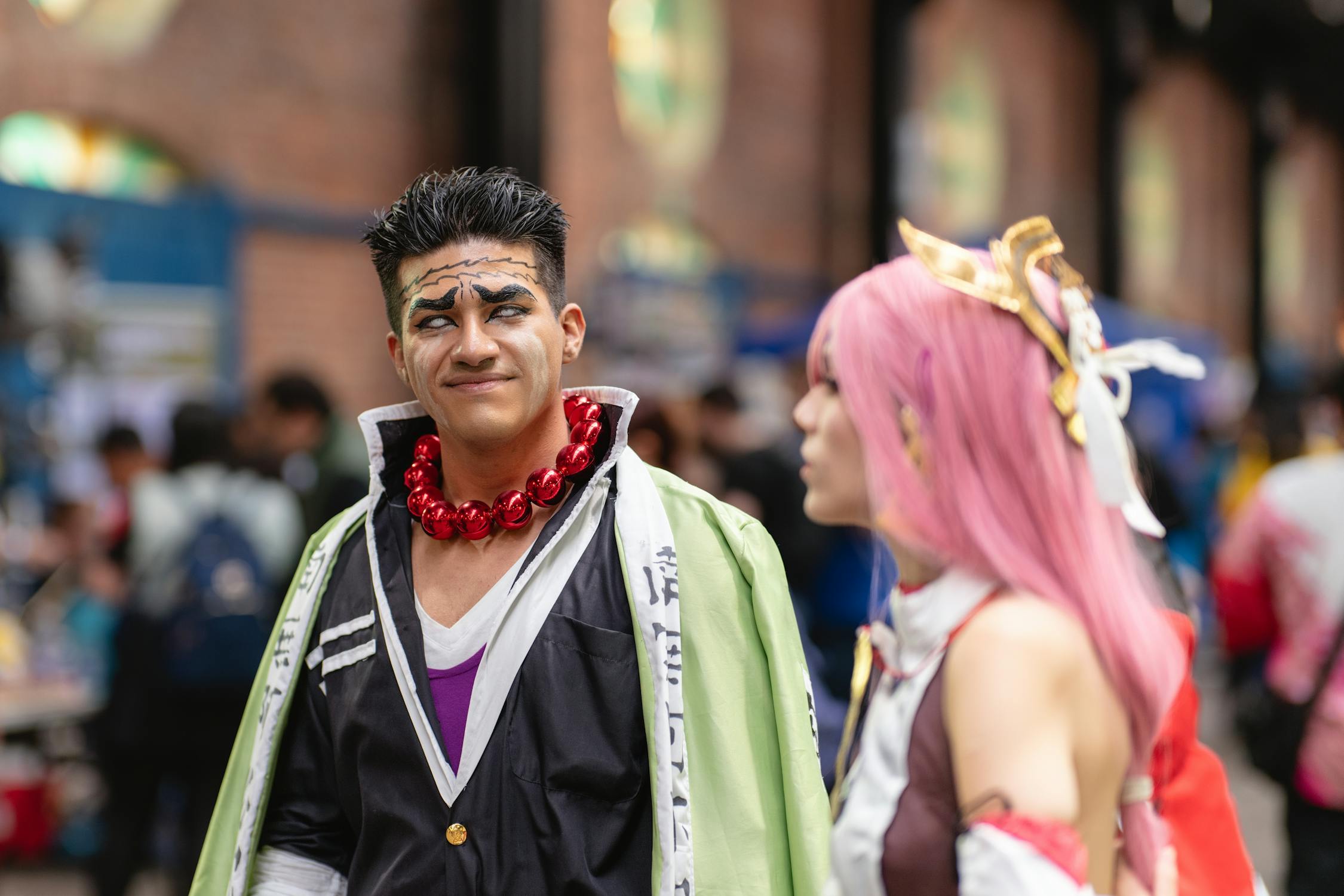
You've scrolled through thousands of cosplay photos. You've watched the crafting videos. You've bookmarked reference images from every angle imaginable. And now you're thinking: I want to do this. But where do I actually start?
That feeling -- the mix of excitement and "oh no, this is a lot" -- is something every cosplayer remembers. The good news is that every single person you've admired at a convention or on social media felt the exact same way before their first build. The even better news is that planning your first cosplay doesn't have to be overwhelming. It just has to be organized.
This guide walks through every step of the cosplay planning process, from choosing your character to packing your convention bag. It's written for people who have never made a cosplay before, but even experienced cosplayers might pick up a planning tip or two. By the end, you'll have a clear roadmap for turning that character you love into something you can actually wear.
Choosing Your Character
This is simultaneously the easiest and hardest part of the whole process. Easiest because you probably already have a character in mind (or five, or twenty). Hardest because narrowing it down to one -- your first one -- means being honest about a few things.
Pick Someone You Genuinely Love
Your first cosplay is going to take more time than you expect. There will be moments where you're re-sewing a seam for the third time or wondering why your wig won't cooperate. The thing that keeps you going through those moments is genuine love for the character. If you pick a character just because the costume looks "easy" but you don't really care about them, you'll lose motivation fast.
That said, passion alone isn't enough. You also need to think practically.
Consider the Complexity
Look at the costume and mentally break it down into pieces. How many separate components are there? Does it require armor, props, or special effects? Are there intricate patterns or details that would require advanced sewing or crafting?
For a first cosplay, look for characters with:
- Recognizable but achievable designs -- characters where the silhouette and color palette do the heavy lifting
- Mostly fabric-based costumes -- sewing (or modifying existing clothes) is more forgiving than armor crafting for beginners
- Minimal props -- or props that can be simplified without losing the character's identity
- A design that works with your body type and comfort level -- you'll be wearing this for hours, possibly in a crowded convention hall
Some popular first cosplay choices include school uniform characters (like from My Hero Academia or Persona), casual outfit versions of characters, or characters whose costumes are essentially stylized everyday clothing.
Think About Convention Comfort
If you're planning to wear this at a convention, think about mobility. Can you sit down? Can you fit through doorways? Can you use the restroom without a 20-minute disassembly process? These sound like silly questions until you're standing in line for a panel and realize your costume has no pockets and your phone is trapped under three layers of fabric.
A cosplay planning app like Cosplai lets you create a project for each character you're considering, so you can compare complexity and costs before committing to one. It's worth spending a day or two in the planning phase before you spend any money.
Gathering Reference Images
Once you've chosen your character, you need references. Lots of them. Reference images are the foundation of every good cosplay, and skipping this step is the number one reason first-time cosplayers end up disappointed with their results.
What to Collect
You want images from every possible angle and context:
- Full-body front, back, and side views -- the basics
- Close-ups of specific details -- belt buckles, jewelry, embroidery patterns, shoe designs
- Color references -- screenshots are better than fan art for accurate colors, since artists interpret palettes differently
- Multiple sources -- anime/game screenshots, official art, figure/statue photos (these are great for understanding how 2D designs translate to 3D)
- Other cosplayers' interpretations -- not to copy, but to see how real people have solved design challenges
How to Organize Them
Here's where most beginners go wrong: they save everything into one giant folder and then spend twenty minutes scrolling through it every time they need to check a detail.
Instead, organize your references by category. Separate your costume references from your prop references from your makeup references. If the character has a weapon, give it its own section. If there are multiple outfit variations, separate those too.
You can use folders on your phone, Pinterest boards, or a dedicated tool. Cosplai has a built-in reference gallery that lets you categorize images by type -- Costume, Props, Makeup -- which saves a surprising amount of time when you're mid-build and need to quickly check how a shoulder piece connects to the chest armor.
Screenshot Everything
Don't assume you'll be able to find that one perfect reference image again later. Screenshot it now. Save it now. The internet is vast and things get deleted or moved constantly. If you find a great tutorial or reference, save it immediately.
Breaking Down the Costume
Now comes the part that turns an abstract idea into an actual plan. You need to look at your character's design and identify every single component of the costume, then categorize each one.
List Every Component
Go through your reference images and write down everything you see. Be thorough. For a character like Tanjiro from Demon Slayer, your list might look like:
- Green-and-black checkered haori (outer jacket)
- Black gakuran uniform top
- Dark hakama pants
- Leg wraps
- Straw sandals (or modified shoes)
- Hanafuda earrings
- Wig (black with burgundy tips)
- Katana prop
- Wooden box (Nezuko's box)
The more detailed your list, the fewer surprises you'll encounter later.
Categorize: Buy, Make, or Modify
For each component, decide whether you'll:
- Buy it ready-made -- some items can be purchased as-is or from cosplay shops
- Modify an existing item -- thrift store finds that you alter, dye, or embellish
- Make it from scratch -- sewing, crafting, or 3D printing
For a first cosplay, there's absolutely no shame in buying components. The cosplay community has largely moved past the idea that you need to make everything yourself. The goal is to have fun and look like the character, not to prove you can do it all from scratch on your first try.
A good strategy for beginners: buy what you can, modify what's close, and make only the pieces that are truly unique to the character.
In Cosplai, you can create task items for each component and mark them with statuses like "To Buy," "To Make," "Ordered," or "Finished." This turns your costume breakdown into a trackable checklist, which is incredibly satisfying to watch fill up with "Finished" tags as you progress.
Setting a Realistic Budget
Cosplay costs more than most beginners expect. Not always a lot more, but enough that going in without a budget usually leads to either overspending or cutting corners in ways that hurt the final result.
How to Estimate Costs
Go through your component list and research the actual cost of each item:
- Fabrics -- price per yard varies wildly. Cotton is cheap ($5-10/yard), while specialty fabrics like worbla, EVA foam, or stretch pleather can run $15-40+ per yard or sheet
- Wigs -- budget wigs start around $15-25, but a good quality wig that won't tangle after an hour is usually $30-60
- Props -- materials for handmade props can range from $20 (foam sword) to $200+ (LED-lit staff with electronics)
- Shoes -- often overlooked in budgets. You can modify cheap shoes for $20-40, or buy character-specific boots for $40-80
- Accessories -- jewelry, belts, gloves, and other small items add up fast. Budget $5-15 per accessory
- Tools and supplies -- if this is your first build, you may need to buy glue, paint, a sewing kit, or other tools you don't own yet
The Hidden Costs
Don't forget:
- Shipping -- especially for items from overseas suppliers. Factor in 2-4 weeks for international shipping
- Mistakes -- you will mess something up. Buy 10-15% more fabric than you think you need
- Convention costs -- badges, travel, food, and accommodation are separate from costume costs, but they all come from the same wallet
- Comfort items -- insoles for uncomfortable shoes, fashion tape, body-safe adhesive, safety pins
Track Everything
Write down every purchase, even the small ones. Those $3 trips to the craft store add up to $50 before you realize it. You can use a spreadsheet, a notes app, or a dedicated cosplay planning tool.
Cosplai has built-in budget tracking that automatically tallies your spending as you add prices to task items. You set a budget for the project and the app shows you at a glance how much you've spent versus what's left. It takes about three seconds to log a purchase, which means you'll actually do it instead of telling yourself you'll update the spreadsheet later (you won't).
Budget Tiers for First Cosplays
As a rough guide:
- $50-100 -- simple character, mostly modified purchased clothing, basic wig, no major props
- $100-250 -- moderate complexity, mix of purchased and handmade elements, good wig, simple props
- $250-500 -- complex build with custom sewing, armor pieces, detailed props, high-quality wig and accessories
- $500+ -- advanced builds with electronics, large props, multiple outfit components, or commissioned pieces
For your first cosplay, aiming for the $100-250 range is a sweet spot. It's enough to make something you'll be proud of without a painful financial commitment.
Creating a Timeline
Working backwards from your deadline (usually a convention date) is the most reliable way to make sure everything gets done. The biggest planning mistake beginners make is underestimating how long things take.
The Backwards Planning Method
Start with your convention date and work backwards:
- 1 week before con -- everything should be DONE. This week is for final fitting, touch-ups, test-wearing, and packing
- 2-3 weeks before -- final assembly, attaching details, styling the wig
- 1-2 months before -- main construction (sewing, crafting, painting)
- 2-3 months before -- all materials purchased and in hand
- 3-4 months before -- research, reference gathering, pattern selection, material sourcing
Set Milestones, Not Just Deadlines
"Finish cosplay by October" is not a useful timeline. "Have all fabric purchased by July 15, bodice pattern cut by July 30, bodice sewn by August 15" -- that's a timeline you can actually follow.
Break your build into phases and give each phase its own deadline. This also helps you identify if you're falling behind early enough to adjust.
If you're using Cosplai, you can set due dates on individual tasks and the app's built-in calendar pulls every deadline from every project into a single view. Tap any date to see exactly what's due -- maybe your fabric order needs to arrive by Tuesday and your wig styling is due Saturday. The calendar also works with the notification system, so you get reminders like "Wig styling due in 3 days" instead of relying on a vague sense that you should probably work on your cosplay soon.
Be Honest About Your Available Time
If you work full-time and can only dedicate weekends to cosplay, you have roughly 8-10 working days per month. A project that a full-time crafter could finish in two weeks might take you six weeks. Plan accordingly.
Also account for drying times (paint, glue, resin), shipping delays, and the reality that some days you just won't feel like working on it. Build buffer into your timeline.
Sourcing Materials
Knowing what you need is one thing. Knowing where to get it is another. Here's a breakdown of common cosplay materials and where to find them.
Fabrics
- Joann Fabrics / Hobby Lobby -- the go-to for basic fabrics in the US. Use their coupons religiously
- Fabric.com / Mood Fabrics -- wider selection online, especially for specialty fabrics
- Thrift stores -- gold mines for base garments to modify. Look for the right color and fabric weight, not the right style
- Amazon -- convenient for specific fabric types, but quality varies. Read reviews carefully
Wigs
- Arda Wigs -- the gold standard for cosplay wigs. Great quality, excellent color range, helpful guides
- Epic Cosplay -- another well-regarded cosplay wig supplier
- Amazon / AliExpress -- budget options that can work well for simpler styles. Expect to do more styling work
Props and Armor Materials
- EVA foam -- the most beginner-friendly material for armor and props. Available at Harbor Freight (floor mats) or specialty shops like TNT Cosplay Supply
- Worbla -- thermoplastic sheets that become moldable when heated. More expensive but produces clean results
- PVC pipe -- great for weapon cores and structural supports
- 3D printing services -- if you don't own a printer, services like Shapeways or local makerspaces can print parts for you
Small Supplies
- Contact cement / Barge cement -- essential for EVA foam work
- E6000 -- all-purpose strong adhesive
- Heat gun -- for shaping foam and worbla
- Plasti Dip -- seals and smooths foam before painting
- Acrylic paint -- for finishing foam and prop details
- Hot glue -- the cosplayer's best friend (and worst enemy when it burns your fingers)
A Note on Ordering Timing
Order materials early. If something arrives and it's the wrong color, wrong weight, or damaged, you need time to return it and reorder. International orders can take 3-6 weeks. Domestic orders during convention season (summer) may also be slower due to high demand.
Keep track of what you've ordered, from where, and when it's expected to arrive. If you're using Cosplai, the "Ordered" status on task items serves as a quick visual indicator of what's in transit and what's already in your hands.
Building and Crafting Basics
A full crafting tutorial is beyond the scope of this guide -- every costume is different, and there are incredible YouTube channels and communities dedicated to specific techniques. But here's a high-level overview of the main crafting categories you might encounter.
Sewing
If your cosplay involves custom clothing, you'll need at least basic sewing skills. The good news is that basic sewing is genuinely not that hard to learn.
- Start with a commercial pattern -- companies like McCall's, Simplicity, and Butterick make costume patterns. They won't be an exact match for your character, but they give you a starting structure to modify
- Learn to use a seam ripper -- you'll use it more than you expect, and that's completely normal
- Press your seams -- ironing seams flat as you go makes a massive difference in how professional the final piece looks
- Muslin first -- for important pieces, make a test version in cheap muslin fabric before cutting into your good fabric
EVA Foam Crafting
For armor, helmets, and rigid costume pieces, EVA foam is the beginner-friendly standard.
- Use templates -- draw or print your armor patterns on paper first, test the fit, then trace onto foam
- Cut with a sharp blade -- a fresh box cutter blade makes cleaner cuts than scissors
- Heat shaping -- a heat gun lets you curve flat foam pieces to fit your body's contours
- Seal before painting -- Plasti Dip or white glue seals the foam's porous surface so paint goes on smoothly
- Layer for detail -- glue smaller foam pieces on top of larger ones to create raised details
Wig Styling
Wig styling is its own art form, but for most first cosplays, you'll need to do some basic work:
- Detangle gently -- use a wide-tooth comb, starting from the ends and working up
- Cut carefully -- you can always take more off, but you can't add it back
- Use got2b glued spray -- the cosplay community's go-to for holding wig styles in place
- Style on a wig head -- don't try to style it while wearing it. A styrofoam head (available at beauty supply stores for a few dollars) makes everything easier
Know When to Commission
There is absolutely nothing wrong with commissioning parts of your cosplay from someone with more experience. Many incredible cosplayers commission their wigs, their props, or their armor pieces. If a specific component is beyond your current skill level and would cause you more stress than enjoyment, consider paying someone who specializes in that type of work.
Check platforms like Etsy or cosplay-specific commission boards. Get quotes early -- popular commissioners book up months in advance, especially before major conventions.
Previewing Your Build
Here's something that experienced cosplayers know but beginners often skip: visualizing how everything comes together before the final build makes a huge difference.
Why Previewing Matters
When you're building a cosplay piece by piece -- sewing the top one week, painting the armor the next, styling the wig the week after -- it's hard to see the full picture. Individual pieces might look great on their own but clash when combined. Colors that looked right on screen might read differently in real life. Proportions that work on an animated character might need adjusting for a real human body.
Traditional Methods
- Mock-ups -- assemble a rough version using cheap materials to check proportions and silhouette
- Photo tests -- put on whatever pieces you have so far and take a photo. Compare it to your reference images
- Mirror checks -- try pieces on and look at yourself from different angles. What reads well? What needs adjustment?
Share Your Plan
This is where having a cosplay-specific planning tool makes a real difference. Instead of keeping your plans scattered across notes apps and spreadsheets, you can organize everything in one place and share your progress with friends.
Cosplai lets you track your entire build in a project view -- reference images, tasks, budget, and timeline all together. You can connect with friends to share what you're working on and coordinate group cosplays.
This is particularly helpful for:
- Accountability -- sharing your progress with friends keeps you motivated through the tedious middle stages
- Group coordination -- plan group cosplays with shared events and deadlines
- Convention prep -- discover events, track countdowns, and see which friends are attending
- Budget visibility -- know exactly where you stand before committing to more purchases
Convention Day Prep
Your cosplay is built. It fits. It looks amazing. Now you need to actually survive a full day wearing it at a convention. Convention prep is its own skill, and a little planning here goes a long way.
The Packing Checklist
Beyond the costume itself, bring:
- Repair kit -- hot glue gun (and a power strip), super glue, needle and thread in matching colors, safety pins, fashion tape, scissors, extra wig pins
- Comfort kit -- blister bandages (moleskin), insoles, body powder (prevents chafing), deodorant, snacks, water bottle, pain reliever
- Touch-up kit -- the specific paint or makeup you used, cotton swabs, makeup wipes
- Change of clothes -- comfortable shoes and a simple outfit for when you're done cosplaying or need a break
- Documentation -- if you entered any cosplay contests, bring your reference images (printed or on your phone)
Convention Day Tips
- Do a full test wear at home first -- wear the complete cosplay for at least an hour. Sit down, walk around, reach your arms up, bend over. Find the problems now, not at the convention
- Eat breakfast -- it sounds obvious, but convention excitement plus costume anxiety equals skipped meals for a lot of people. You need fuel
- Set a "de-costume" time -- decide in advance when you'll change out of cosplay. Having a set time prevents you from pushing through discomfort until you're miserable
- Take breaks -- find a quiet spot to sit, hydrate, and rest. Conventions are exhausting even without a costume
- Be ready for attention -- people will want photos. Decide in advance if you're comfortable with that and practice saying "I'd rather not right now" if you need a break from posing
Photos and Memories
- Bring a friend -- having someone to take photos of you (and hold your stuff during photo ops) is invaluable
- Find good lighting -- convention centers have notoriously bad lighting. Step near windows or outside for better photos
- Pose in character -- a few practiced poses make your photos look ten times better
- Get photos with other cosplayers -- these are some of the best convention memories
If you've been tracking your build in Cosplai, the Media tab is a great place to save your convention photos alongside your build progress shots. Looking back at the journey from "pile of fabric on the floor" to "standing at a convention in full costume" is one of the most rewarding parts of the hobby.
Your First Cosplay Doesn't Have to Be Perfect
Your first cosplay will not be perfect. Read that again, because it's important. Your first cosplay will not be perfect, and that is completely fine.
Scroll back through any experienced cosplayer's post history and you'll find their first build. It probably had visible hot glue, uneven seams, a wig that was slightly the wrong shade, or a prop that was held together with prayers and zip ties. They kept going anyway, and each build after that got better.
The cosplay community is, overwhelmingly, welcoming to newcomers. People at conventions get excited to see someone cosplaying their favorite character regardless of the build's skill level. The shared enthusiasm for the source material is what connects people, not the stitch count.
So here's the actual plan, distilled:
- Pick a character you love
- Gather references from every angle
- Break the costume into individual components
- Set a budget and track your spending
- Create a timeline working backwards from your deadline
- Source your materials early
- Build, learn, mess up, fix, and build some more
- Preview your progress and adjust as needed
- Pack smart for convention day
And most importantly: enjoy the process. The hours of planning, shopping, crafting, and problem-solving are the hobby. The convention day is the celebration.
If you're looking for a single tool to keep everything organized -- your references, your task list, your budget, your calendar, and your build previews -- Cosplai was built specifically for this workflow. The integrated calendar alone is worth it when you're juggling multiple deadlines across your first build. It's free to start and designed by people who have lived through the "reference images scattered across four apps and a shoebox" experience.
Your first cosplay is waiting. Go plan it.
 ✨⭐✨
✨⭐✨Ready to Plan Your Next Cosplay?
Track projects, manage budgets, discover conventions, and connect with the cosplay community — all in one app.
Download Cosplai FreeRelated Articles
How Much Does Cosplay Cost? Real Budgets
What cosplay actually costs, from $40 closet builds to $900 armor. Real price breakdowns by costume type, hidden costs, and how to stay on budget.

How to Find Cosplay Friends & Build Community
Making cosplay friends feels intimidating, but it doesn't have to. Here's how to find your community online and at cons—and actually stay in touch.